|
Among the Best Places
to Work in Law
We’re proud to share that U.S. News & World Report has named Heckler & Frabizzio P.A. one of the 2026 Best Companies to Work For Law Firms. This recognition is based entirely on independent data, including employee feedback and workforce insights from sources like Glassdoor, LinkedIn, and legal industry databases (2021–2025). Firms are evaluated on the factors that matter most, including compensation, growth opportunities, workplace culture, and work-life balance. We’re honored by this recognition and grateful to our team for helping make our firm a great place to work every day.
|
|
Another Bar,
Another Achievement
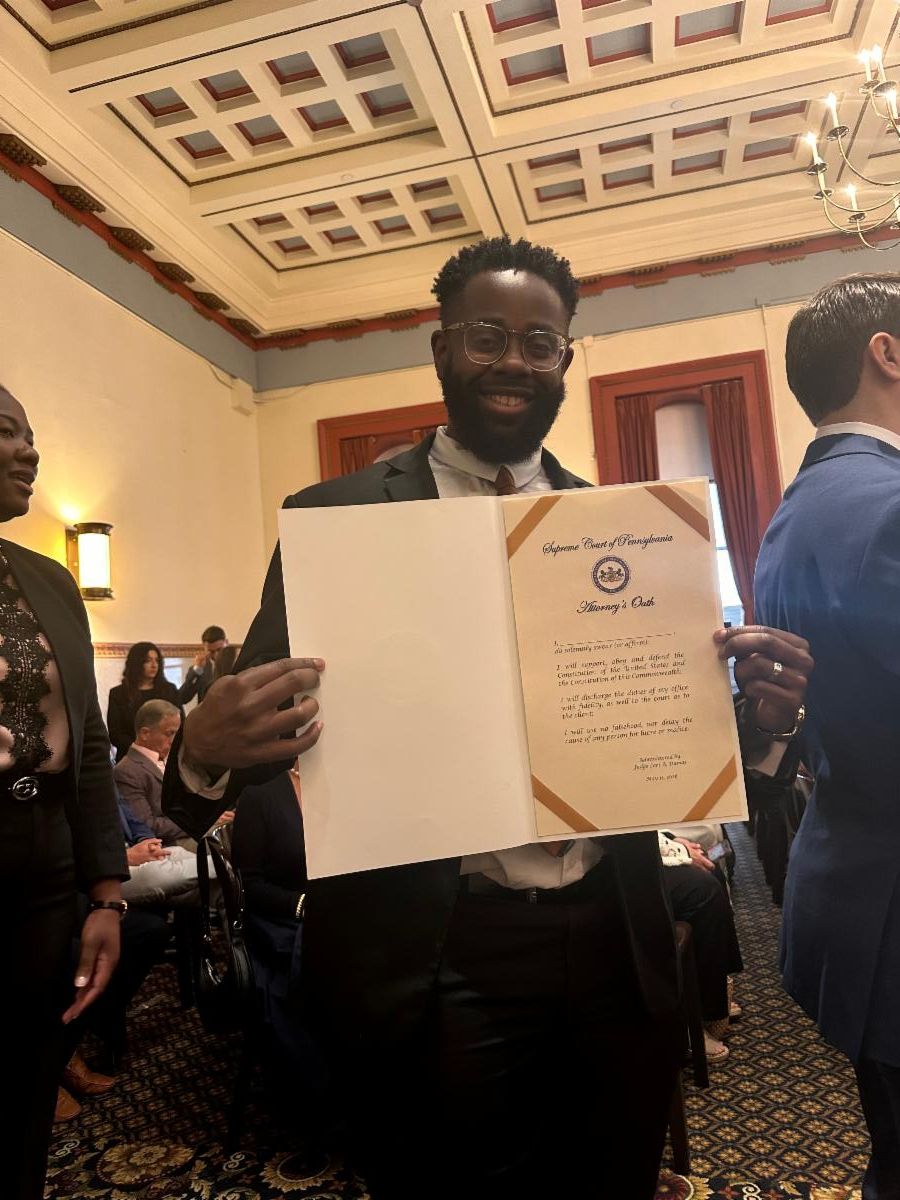
We’re excited to share some great news, Associate, Femon Padmore has passed the Pennsylvania Bar Exam! This achievement reflect a tremendous amount of dedication, discipline, and hard work. Please join us in congratulating Femon on this success and wishing continued growth and accomplishment in this next chapter.
|
|
Diversity Scholarship
Heckler & Frabizzio is offering a $5,000 scholarship to a minority student currently seeking to further their education in the legal field with a connection to Delaware. The rising cost of education continues to be a hardship that many minorities struggle to overcome. Heckler & Frabizzio believes that by helping diverse legal professionals overcome those struggles, our world can become a brighter place for future generations in our community. We are seeking a candidate who demonstrates a commitment to diversity, the Delaware community, and a passion for the legal field. For more information, please contact Natalie Bogia.
|
|
History Made, Next Stop:
Bar Exam!
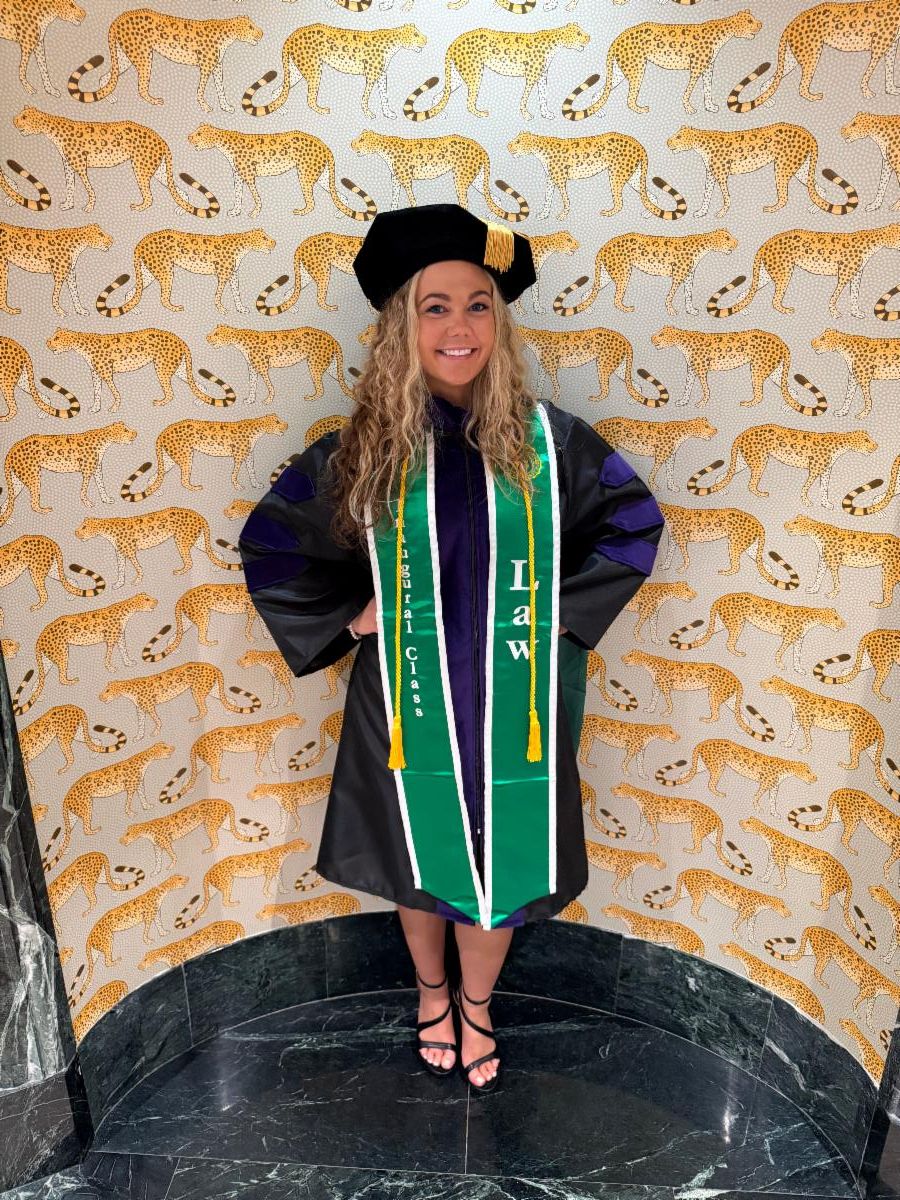
Law Clerk, Marrissa Nardo is proud to share that she has graduated from Wilmington University’s School of Law!
Marrissa is especially honored to be part of the program’s very first graduating class, a truly historic milestone. She is now looking ahead to her next big step, taking the Delaware Bar Exam this July. Please join us in congratulating Marrissa on this incredible accomplishment and wishing her the best of luck on the bar!
|
|
Straight A’s All the Way!
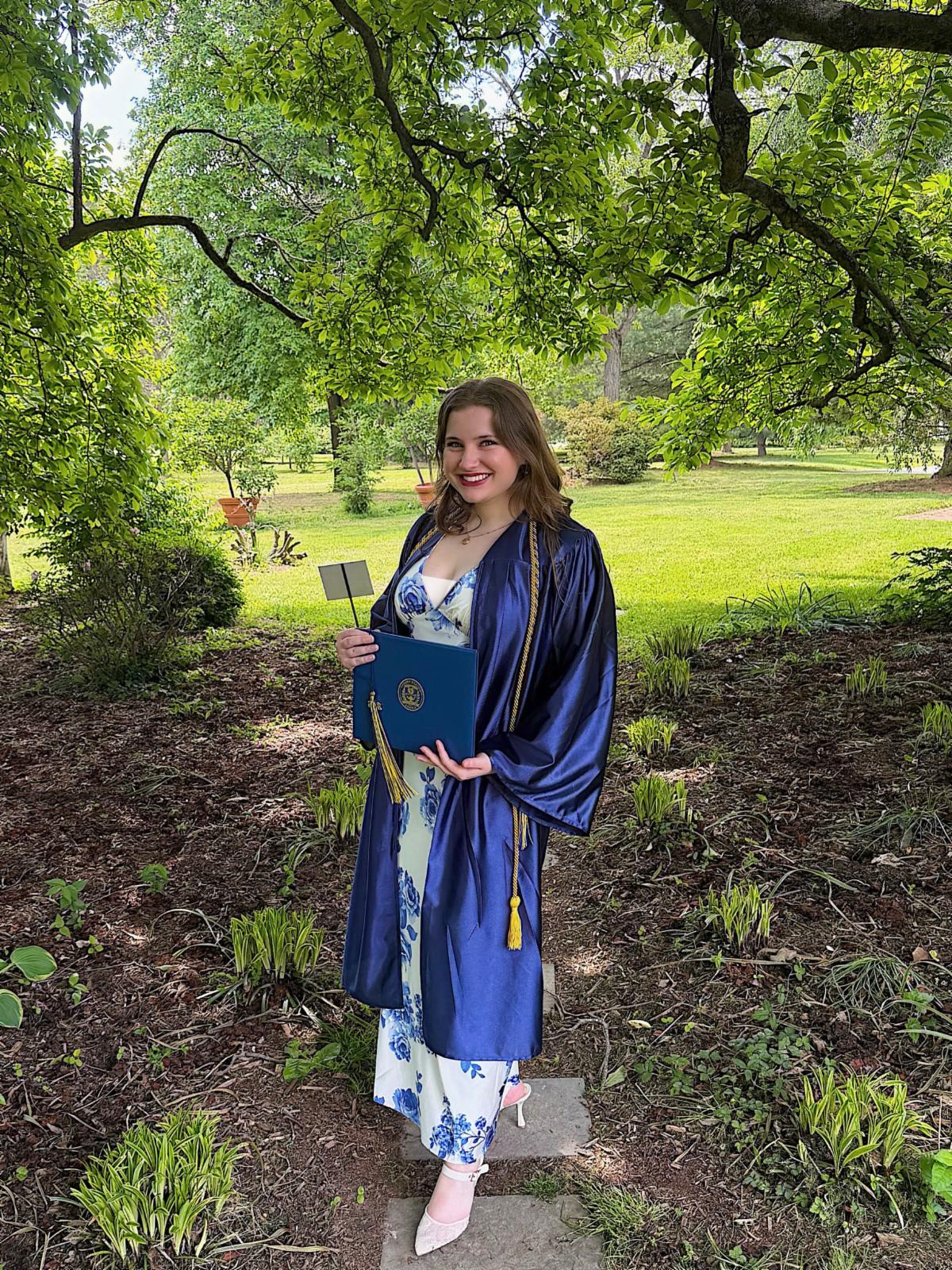
Paralegal, Emma Van Orden has officially graduated from Goldey-Beacom College! Emma’s accomplishment is truly exceptional. Not only did she earn her bachelor’s degree, but she also graduated with a perfect 4.0 GPA. Even more impressive, she is one of only three graduates in her class to achieve this remarkable distinction. Please join us in congratulating Emma on this incredible achievement!
|
|
A New Pup on the Block
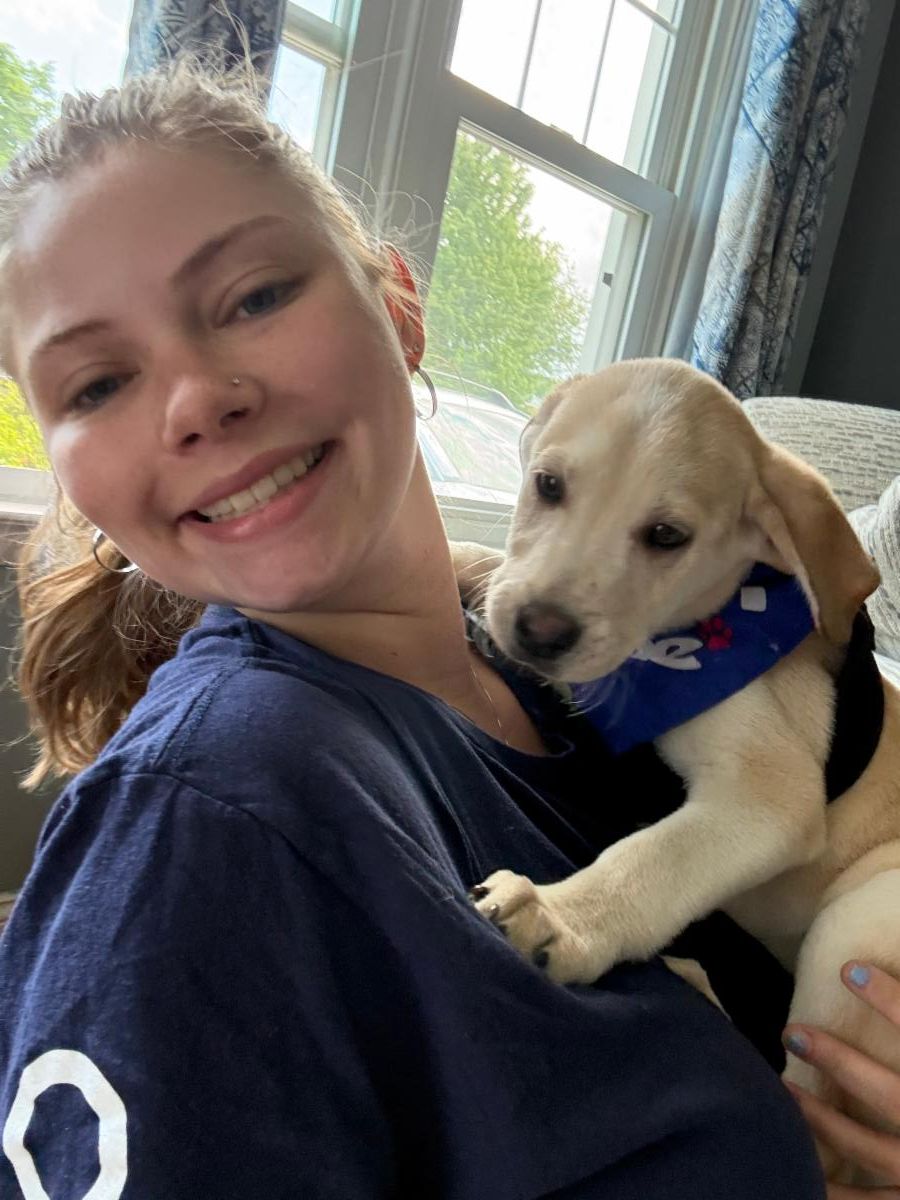
Paralegal, Mariah Kincaid and her family have welcomed a new puppy into their home! Meet Wilson, a name we’re all loving for its classic, old‑soul charm. Adding to his character, Wilson has an adorable, bright white belly that’s already reminding us a bit of the famous volleyball from Cast Away. We’re wishing Mariah and her family lots of happy moments, puppy cuddles, and maybe just a little patience during the training phase.
|
|
Cheers to the Next Chapter
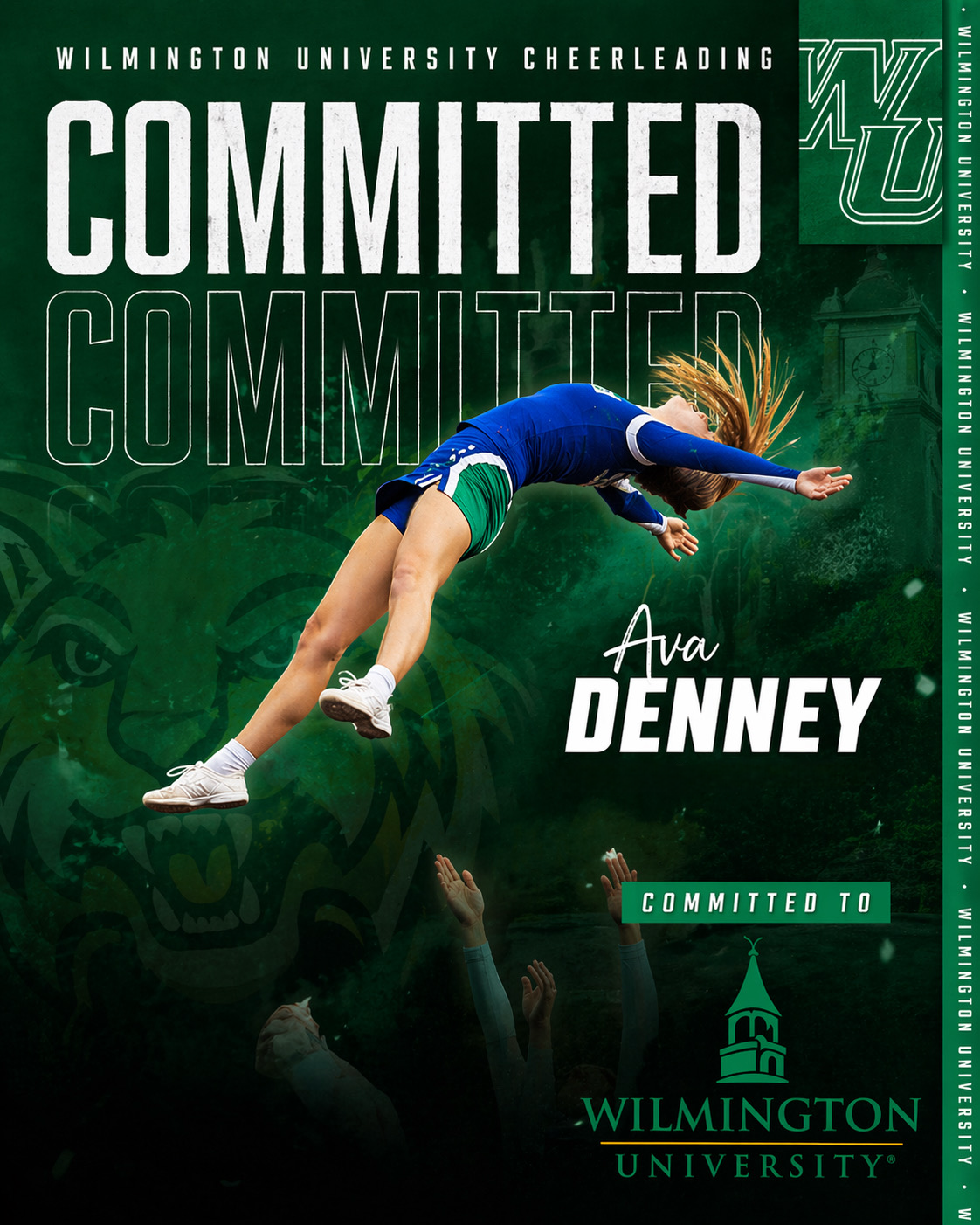
Paralegal, Lauren Temple is proud to share that her daughter Ava is graduating from St. George’s High School, and she has officially committed to Wilmington University, where she will continue her academic journey while cheering on the Division I team. This is an incredible achievement, and we’re thrilled to celebrate this exciting next chapter. Please join us in congratulating Lauren and Ava on this amazing accomplishment!
|
|
|
WORKERS’ COMPENSATION LAW
Employers Win Battle of the Experts
|
|
On 1/28/23, Claimant was working as a volunteer firefighter when he was struck by a car, sustaining an accepted upper back strain. Claimant subsequently developed necrotic toes in his right foot, which resulted in a right below knee amputation on 6/30/23. Claimant filed a Petition seeking acknowledgement of the right toes, and amputation. Dr. Neves testified for Claimant that there was trauma to the toes during the work accident which went unrecognized due to diabetic neuropathy. After Hearing, the Board denied the Petition, finding Claimant not credible; and the testimony of Employer’s medical experts, Drs. Harad and Schwartz, more credible than Dr. Neves for Claimant. The Board characterized Claimant’s testimony as inherently inconsistent, and inconsistent with the other medical records and other witnesses. He provided different timelines to his care providers and the Board regarding the onset of the discoloration of the toes, and his timelines were different than what his wife testified. He testified he knew he hurt his foot the day of the accident, but did not tell his wife or anyone else, which does not make sense as he has been an insulin dependent diabetic for 35 years and knows the importance of foot care. One medical record said Claimant reported his son was the first to notice the discoloration two weeks after the accident, but that story wasn’t provided to anyone else and is inconsistent with Claimant’s testimony he noticed it first. It is also inconsistent with his wife’s testimony that she first noticed the discoloration. The Board could not determine when the discoloration was first noticed and by whom. Further, the story of discovering the discoloration two weeks after the accident but not mentioning it to any medical provider for two months does not make sense when Claimant and his wife are diabetic. The police report, EMS report, and Emergency Room records from the day of event document no right foot injury or complaint. 2/8/23 primary care and 2/22/23 endocrinology notes also list no right foot issue. All of the above entities asked about the accident and injuries. It does not make sense that all of these groups would have missed the injury, or that Claimant would deny any foot pain to the endocrinologist when he supposedly knew about the discoloration and pain in the toes. While all the doctors agreed diabetics are very sensitive in their feet and can injure easily, leading to amputation, there was no explanation given as to why Claimant did not seek medical attention for his toes as soon as he felt pain or noticed the discoloration, whether it was on the day of the accident, the day after, or two weeks later. Dr. Neves was unaware of other falls due to sciatica in the left leg that were documented in the records pre and post accident. Dr. Neves theory that Claimant did not know the toes were injured initially because of neuropathy was inconsistent with Claimant testifying he felt pain and saw the discoloration the day after the accident. Certain medical records documented that Claimant had feeling to his feet despite evidence of neuropathy. Overall, the Board felt there was too large a gap between the accident and first documented report of right foot issues for there to be a causal link, especially given the numerous medical visits during that timeframe where Claimant specifically denied having any foot injury or symptoms. There were other potential causes of toe problems documented in the records. If you have any questions regarding this Decision, please contact John Ellis or any other attorney in our Workers’ Compensation Department.
John Robert Wingate v. Blades Volunteer Fire Co., IAB Hrg. No. 1532362 (Apr. 23, 2026).
|
|
EMPLOYMENT LAW UPDATE
Too Late and Not Enough:
Supreme Court Denies Employer’s
Interlocutory Appeal Request
|
|
Plaintiff Melissa R. Sadowski filed federal and state gender discrimination and retaliation claims in January 2022. She received a right to sue letter for her federal claim and on November 16, 2022, she commenced a lawsuit against Suppi Construction, Inc. She later received a right to sue letter for her state claim and amended her November 2022 complaint to include the state claim.
Defendant Suppi Construction moved to dismiss Plaintiff’s Complaint, and on or about November 30, 2023, the Court found that the Plaintiff exhausted her administrative remedies and pled sufficiently to have her case move forward. Defendant Suppi Construction did not request any interlocutory appeal at that time.
Sadowski’s case progressed forward through discovery, and upon the disclosure of discovery, Suppi Construction filed a motion for summary judgment that, on February 5, 2026, was partially denied by the Superior Court.
It was only after that time did Suppi Construction seek certification of an interlocutory appeal from the Superior Court concerning the November 20, 2023 and February 5, 2026 orders.
The Superior Court denied Suppi Construction’s requests because the request for interlocutory appeal of the November 20, 2023 order was filed too late and Suppi Construction had not satisfied sufficient Rule 42(b)(iii) factors associated with the February 5, 2026 order.
The Delaware Supreme Court “agree[d] that interlocutory review is not warranted” as the request for the review of the November 30, 2023 Superior Court order was “more than two years” late.
Concerning the Superior Court’s denial of interlocutory review of the February 5, 2026 Order, the Supreme Court held that Suppi Construction’s “application for interlocutory review does not meet the strict standards for certification under Supreme Court Rule 42(b)” and that “the potential benefits of interlocutory review do not outweigh the inefficiency, disruption, and probable costs caused by an interlocutory appeal.”
If you have any questions about this case or about employment law claim procedure, please contact an attorney in our liability department.
Suppi Construction, Inc. v. Melissa R. Sadowski, No. 108, 2006 (Del. May 14, 2026).
|
|
LITIGATION LAW UPDATE
“Smoking Area” Creates Liability for Landlord and Tenant: Joint Possessors Owe Joint Duties
|
|
Plaintiff, a patron of the Restaurant defendant, alleges an injury on the premises of a designated smoking area. Plaintiff sued the Landlord and the Restaurant. The Restaurant filed this motion for summary judgment, contending that Landlord (and not the Restaurant) had the exclusive contractual duty to repair and maintain the common areas, which included the designated smoking area.
It is undisputed that the Restaurant was Landlord’s commercial tenant, and the Restaurant’s designated smoking area was part of the larger shopping center’s common area. The commercial lease provided Restaurant (and other tenants) with a nonexclusive license to use the common areas, and further provided that Landlord would be the responsible party for maintaining and repairing the common areas.
However, the Court analyzed whether Restaurant was a “possessor” of land under Restatement (Second) of Torts §328E and reasoned that, while a commercial lease may be dispositive on issues such as indemnity, it is not “singularly dispositive regarding duties owed in tort to third parties.” Here, the Restaurant’s nonexclusive use of the common area, the reference by Restaurant to “its” smoking area, and the signage placed by Restaurant directing its patrons to the smoking area combined to make Restaurant a “possessor” as a matter of law. Having been deemed a “possessor,” Restaurant and Landlord both may owe simultaneous duties to business invitees. Restaurant’s motion for summary judgment was denied.
Lisa D. First v. Millville Town Center, Assoc., LLC, et al., C.A. No. K24C-05-012 JJC, May 7, 2026
|
|